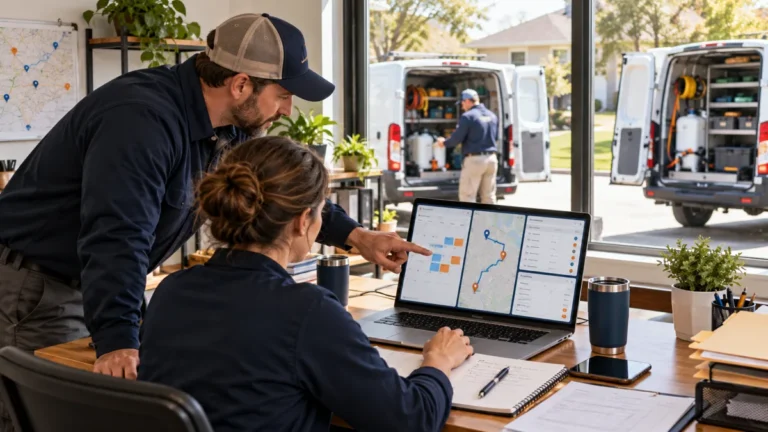
Pest control software pricing for 5 technicians depends on what the vendor charges for: routes, field users, total users, technician bands, or monthly jobs. Multiplying a one-person starting price by five can produce the wrong answer. This comparison defines a scenario first, then separates documented prices from calculations and quote-only costs. Scenario: five technicians, each […]
Choosing pest control software for small business starts with a specific workflow problem, not the longest feature list. A solo operator struggling with invoices needs a different configuration from a growing business managing commercial devices, recurring visits, and several field schedules. The right purchase is the smallest system that reliably handles the required work and […]
A pesticide record keeping app should preserve the details of an actual application, produce a usable export, and fit the rules that apply to your work. A generic job note or invoice description is not necessarily a complete application record. Start with your regulatory requirements, then check whether the software can represent them accurately. This […]
A pest control contract template can help organize the business terms that need review, but a generic download is not a legally approved service agreement. Scope, renewal, cancellation, payment authorization, notices, and liability provisions depend on the actual service and applicable law. A qualified attorney should adapt the agreement before customer use. Download our original […]
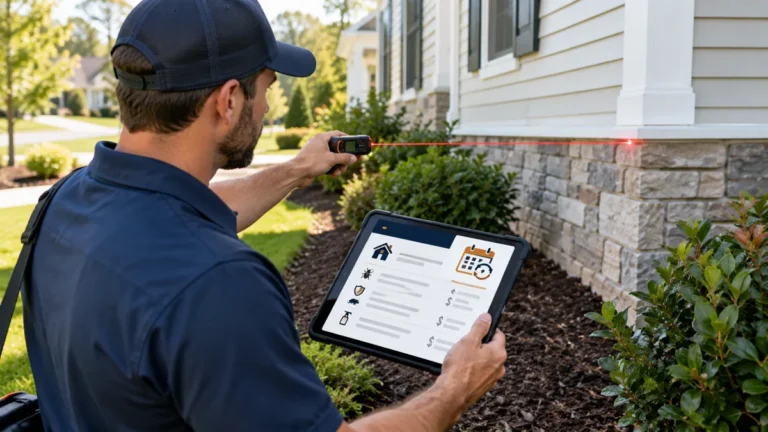
A pest control estimate template should turn an inspection and customer request into a clear proposed scope and price. It should explain what is included, what is optional, what assumptions affect the work, and how the customer can authorize it. A low total without a defined scope is difficult to compare and easy to misunderstand. […]
A pest control service report template records what happened during a visit: the reason for service, observed evidence, work actually performed, limitations, and follow-up. It gives the customer and office a shared record. It should not become a prewritten claim that every property received the same treatment or that every pest problem was resolved. Download […]
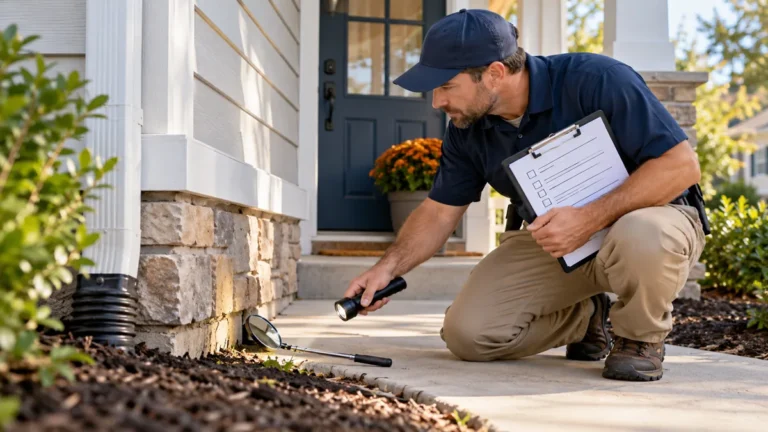
A pest control inspection checklist helps a technician follow a consistent route through a property, record evidence, and turn observations into assigned actions. It should also show what could not be inspected. A page of unchecked boxes does not prove that a site is pest-free, and a completed checklist does not automatically authorize treatment. Download […]
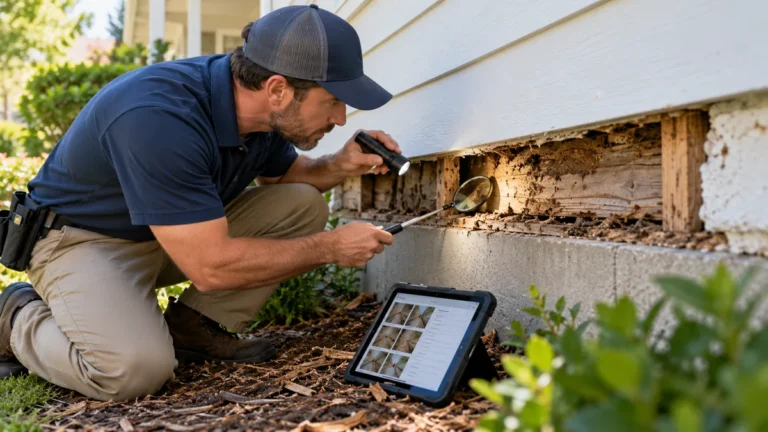
The NPMA 33 form, commonly written NPMA-33, is a Wood Destroying Insect Inspection Report. It documents an inspection’s findings and limitations for the structures identified in the report. It is not a general pest-control invoice, a home inspection, or a promise that concealed damage does not exist. This educational guide explains the reporting workflow and […]
Pest control invoicing software should connect completed work to a clear bill, payment status, and an auditable customer record. The useful comparison is not simply which product has an invoice button. A small operator also needs to know whether recurring billing, reminders, accounting synchronization, and field documentation are available in the plan being quoted. This […]
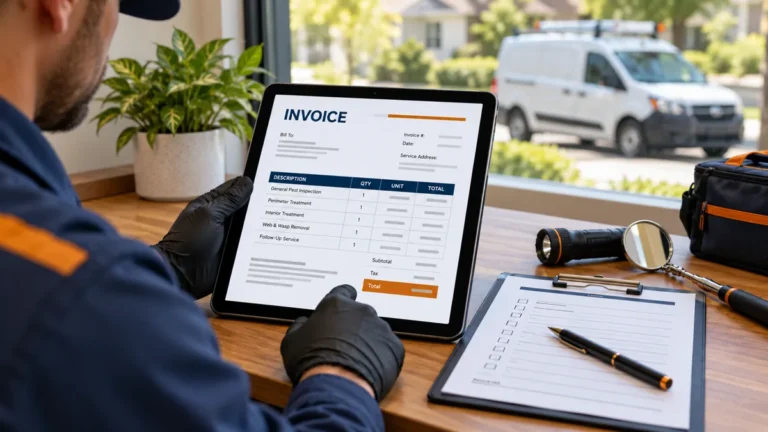
A pest control invoice template should make three things obvious: which authorized service was completed, what the customer owes, and how to pay. The free original files below give a small pest-control business a consistent starting point without requiring a software subscription. Keep the invoice connected to the job record, but do not confuse a […]
Independent Research & Evidence Standards
Pest Tech Research provides independent technology analysis for pest control operators. We do not accept sponsored positive reviews, fabricated ratings, or unverified vendor claims. All commercial pricing, features, and operational benchmarks follow our public verification methodology.